Korean burritos offer a delicious and convenient way to incorporate vibrant, nutrient-rich flavors into your daily routine. Essentially, they are a fusion of Korean culinary traditions with the familiar, portable format of a burrito. This means you get the satisfying chew of a tortilla wrapped around bold, savory, and often spicy fillings like marinated meats, crisp vegetables, and flavorful sauces. This fusion matters because it provides a quick, balanced meal option that can easily fit into busy schedules, making healthy eating more accessible. It’s particularly relevant for individuals looking for exciting alternatives to standard lunch or dinner options, or those who enjoy exploring new taste experiences.
In this article, we’ll explore the delightful world of Korean burritos, touching upon their key ingredients and the general benefits of enjoying such a well-rounded meal. We’ll also provide insights into how you can customize them to suit your preferences, ensuring a satisfying and nourishing experience.
Korean Burritos: A Delicious Intersection of Cultures
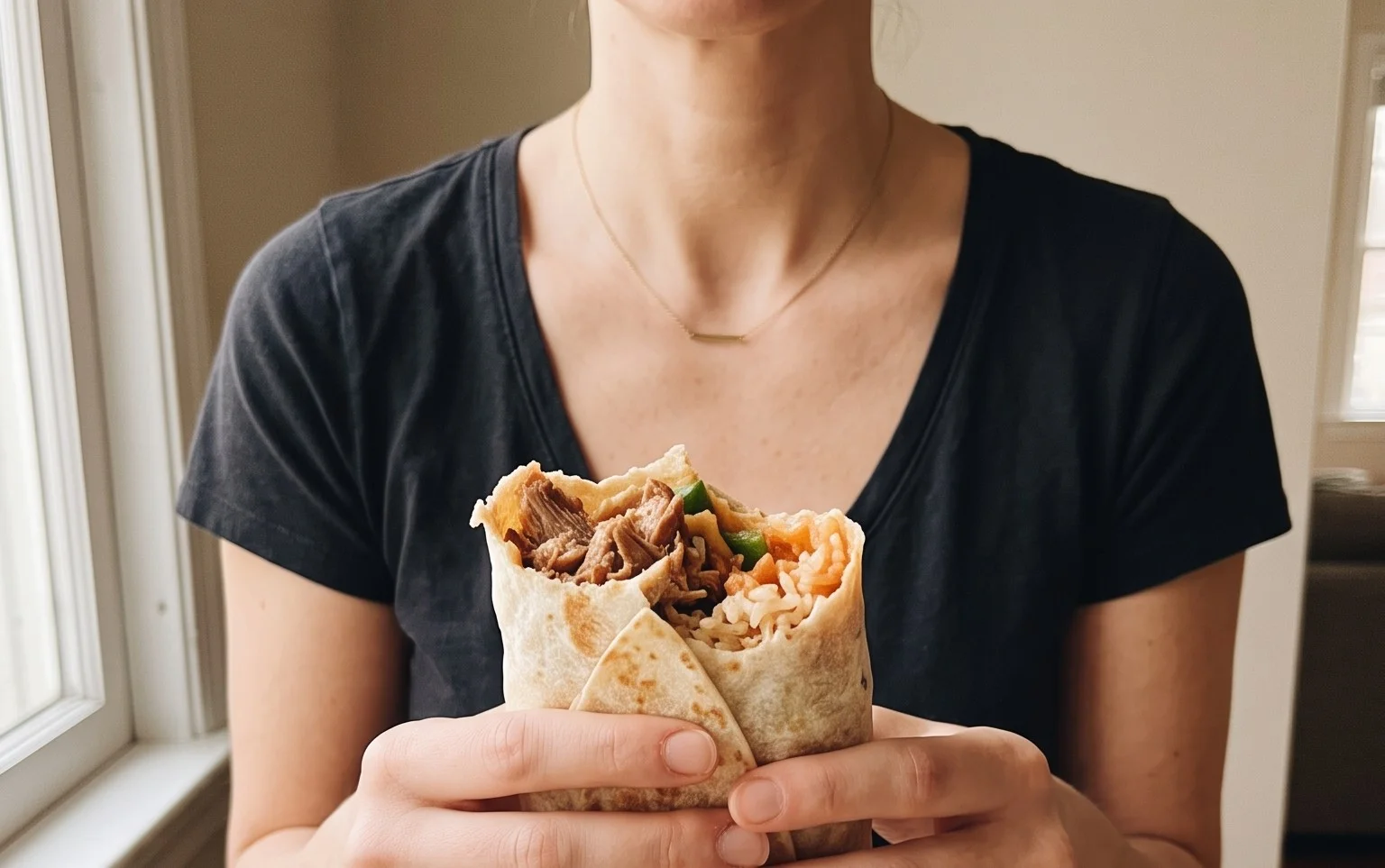
The world of fusion cuisine offers some truly exciting and innovative dishes, and Korean burritos stand out as a prime example. At its heart, a Korean burrito is precisely what it sounds like: a familiar and beloved tortilla wrap filled with the vibrant and distinctive flavors of Korean cooking. Instead of the traditional Mexican or Tex-Mex fillings like seasoned ground beef, beans, and salsa, you’ll find elements like marinated bulgogi (thinly sliced grilled beef), spicy kimchi (fermented cabbage), gochujang-spiced chicken, rice, and an array of fresh vegetables. It’s a harmonious marriage of East meets West, offering a satisfying and often healthful meal that appeals to a wide range of palates. The beauty of this dish lies in its adaptability; ingredients can be swapped and adjusted to suit personal preferences and dietary needs, making it a versatile option for both home cooks and restaurant patrons.
Decoding the “Korean” in Your Burrito
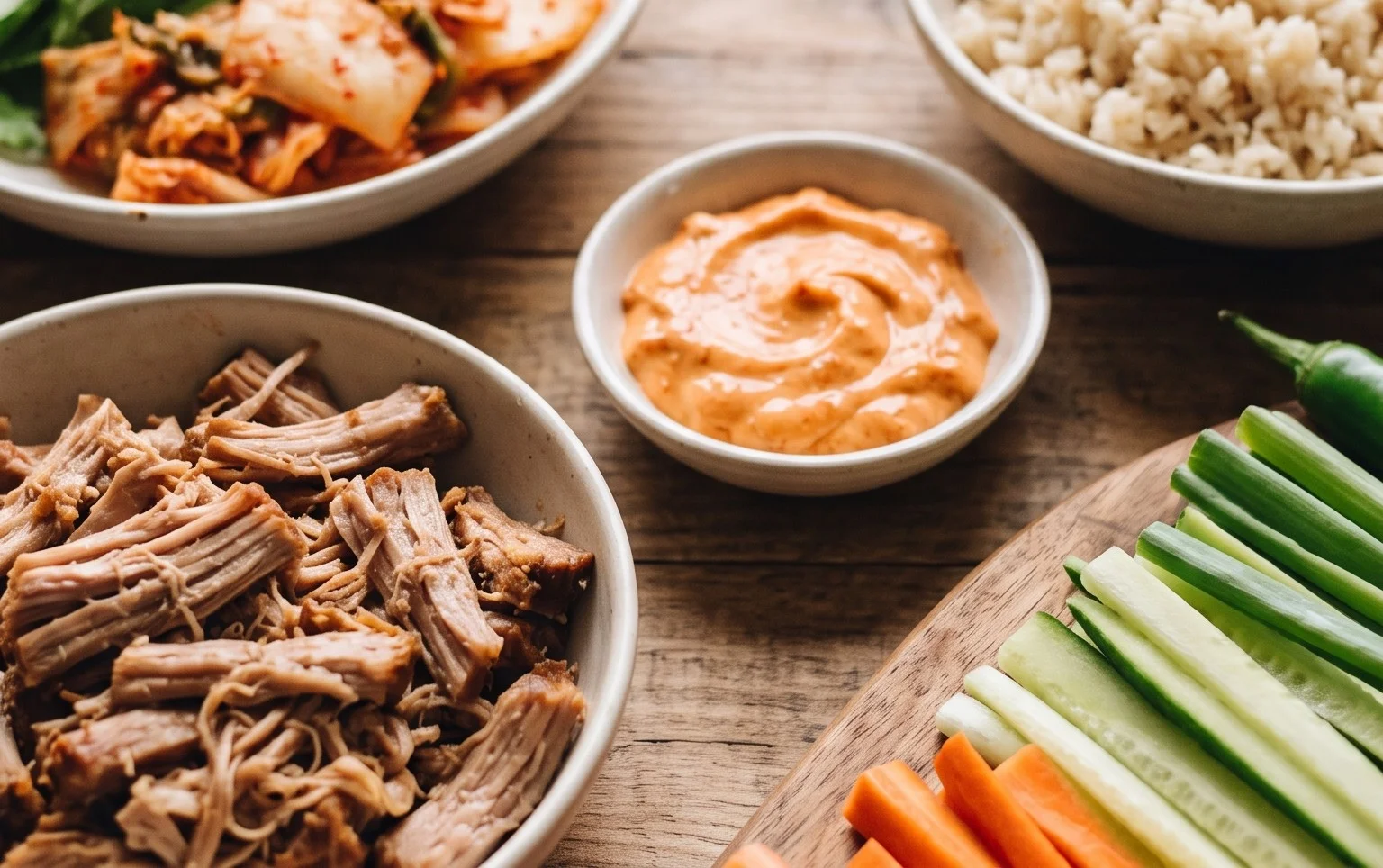
When we talk about the “Korean” aspect of a Korean burrito, we’re referring to the characteristic flavor profiles and ingredients that are staples in Korean cuisine. These often include:
* **Savory and Sweet Marinades:** Meats are typically marinated in a base of soy sauce, garlic, ginger, and a touch of sweetness, often from brown sugar or honey. Bulgogi is a classic example of this.
* **Spicy Fermented Flavors:** Kimchi is arguably the most well-known Korean ingredient, offering a delightful tang and a kick of spice. Other fermented pastes and sauces, like gochujang (a spicy chili paste) and gochugaru (chili flakes), are also frequently used to add depth and heat.
* **Umami-Rich Bases:** Ingredients like sesame oil and soy sauce contribute a rich, savory, umami flavor that is fundamental to Korean cooking.
* **Fresh and Vibrant Vegetables:** Beyond kimchi, Korean cuisine often incorporates a variety of fresh and pickled vegetables, such as shredded carrots, cucumbers, spinach, and bean sprouts, adding texture and nutritional value.
* **Rice as a Staple:** While the burrito format itself uses a tortilla, rice is a common component within the filling, providing a comforting and filling base.
General Guidance on Embracing Healthier Eating Habits**
When considering any dietary approach, including incorporating dishes like Korean burritos, general health guidance often emphasizes balance, moderation, and nutrient density. Health authorities typically advise focusing on:
* **Whole Foods:** Prioritizing foods in their most natural state, such as fresh vegetables, fruits, lean proteins, and whole grains, is a cornerstone of healthy eating.
* **Nutrient Variety:** Aiming for a diverse range of foods ensures you’re getting a broad spectrum of vitamins, minerals, and fiber.
* **Mindful Portions:** Being aware of portion sizes helps manage calorie intake and prevents overconsumption.
* **Limiting Processed Foods:** Reducing intake of foods high in added sugars, unhealthy fats, and excessive sodium is generally recommended.
* **Adequate Hydration:** Drinking plenty of water throughout the day is crucial for overall bodily function.
These principles can be applied to enjoying Korean burritos, making them a potentially healthy choice when prepared thoughtfully.
Practical Everyday Habits for a Healthier You**
Integrating healthier habits into your daily routine doesn’t require drastic changes. Here are some practical, actionable steps you can take, keeping in mind how they might relate to enjoying dishes like Korean burritos:
* **Load Up on Veggies:** When making or ordering a Korean burrito, consciously ask for or add extra servings of fresh vegetables like shredded lettuce, carrots, spinach, and cucumbers. This boosts fiber and nutrient intake.
* **Choose Leaner Proteins:** Opt for grilled chicken breast, lean bulgogi, or tofu as your protein source. These are generally lower in saturated fat than fattier cuts of meat.
* **Control Sauces and Sodium:** Be mindful of the amount of sauce used, as many Korean sauces can be high in sodium and sugar. If preparing at home, consider making your own sauces with reduced sodium soy sauce or tamari. When ordering, ask for sauces on the side.
* **Incorporate Whole Grains (When Possible):** While the traditional burrito uses a flour tortilla, if you have the option, explore whole wheat tortillas or even a rice bowl format with Korean-inspired toppings for added fiber.
* **Portion Awareness:** Be mindful of the size of your Korean burrito. If it’s particularly large, consider eating half and saving the other half for later, or sharing it.
* **Hydrate Wisely:** Pair your meal with water instead of sugary drinks. This aids digestion and keeps you hydrated.
* **Regular Physical Activity:** Complement a balanced diet with consistent exercise. Aim for a mix of aerobic activity and strength training, as recommended by general health guidelines.
What the Evidence Supports and Doesn’t Support**
The evidence supporting the health benefits of ingredients commonly found in Korean burritos is generally strong.
* **Vegetables:** Numerous studies highlight the benefits of consuming a wide variety of vegetables, including their role in providing essential vitamins, minerals, antioxidants, and fiber. Fiber is crucial for digestive health, can help regulate blood sugar levels, and contributes to feelings of fullness.
* **Fermented Foods:** Kimchi, as a fermented food, is associated with potential benefits for gut health due to the presence of probiotics. These beneficial bacteria can contribute to a healthy gut microbiome, which is linked to various aspects of well-being.
* **Lean Proteins:** Lean protein sources are well-established as important for muscle repair and growth, satiety, and overall metabolic function.
* **Lean cooking methods:** Grilling and stir-frying, common in Korean cuisine, are generally considered healthier cooking methods than deep-frying, as they use less oil and can preserve nutrients.
However, it’s important to acknowledge what the evidence *doesn’t* definitively support.
* **Specific “Miracle” Claims:** While individual ingredients offer benefits, attributing significant weight loss or disease reversal solely to Korean burritos or specific ingredients within them would be an overstatement not supported by broad scientific consensus. Health is multifaceted and influenced by overall dietary patterns and lifestyle.
* **Universal Benefit of All Preparations:** The healthfulness of a Korean burrito is highly dependent on its preparation. A version loaded with excessive amounts of fried components, sugary sauces, and refined grains would likely negate the benefits of the individual ingredients.
* **Quantifiable Benefits of Fusion Cuisine:** While fusion cuisine can be delicious and adaptable, specific health benefits attributed to the “fusion” aspect itself, rather than the inherent qualities of the combined ingredients, are not typically the subject of robust scientific study.
Common Myths Worth Correcting**
Several misconceptions can arise around dishes that blend cuisines:
* **Myth 1: All Korean Burritos are Unhealthy Due to Being “Fusion”.** This is inaccurate. As discussed, the healthfulness depends entirely on the ingredients and preparation methods. A thoughtfully assembled Korean burrito can be very nutritious.
* **Myth 2: Kimchi is Just Spicy Cabbage.** While kimchi is indeed fermented cabbage with spice, its benefits extend beyond flavor. The fermentation process creates probiotics that can support gut health, a widely recognized aspect of overall well-being.
* **Myth 3: You Must Avoid All Sauces to Eat Healthy.** While some sauces can be high in sodium and sugar, this doesn’t mean all sauces are off-limits. Many can be enjoyed in moderation, or healthier versions can be made at home. Asking for sauces on the side is a practical strategy to control intake.
* **Myth 4: Rice Always Makes a Meal Unhealthy.** Rice, especially brown rice or other whole grains, can be a good source of energy and fiber. The key is portion control and pairing it with nutrient-dense ingredients.
When to Speak to a Qualified Professional**
While enjoying a delicious and potentially nutritious Korean burrito is generally a positive experience, there are instances where consulting a healthcare professional is advisable. If you experience any of the following, it’s a good idea to seek expert guidance:
* **Persistent Digestive Issues:** If you experience ongoing bloating, gas, indigestion, or changes in bowel habits after eating, a professional can help identify the cause.
* **Allergies or Intolerances:** If you suspect you have an allergy or intolerance to any of the ingredients commonly found in Korean burritos (e.g., soy, gluten, dairy), a doctor or registered dietitian can provide proper testing and guidance.
* **Underlying Health Conditions:** If you have pre-existing health conditions such as diabetes, high blood pressure, or kidney disease, discussing your dietary choices, including how to incorporate dishes like Korean burritos healthfully, with your doctor or a registered dietitian is crucial. They can provide personalized recommendations to manage your condition.
* **Unexplained Weight Changes:** Significant and unexplained weight loss or gain warrants a medical evaluation to rule out any underlying health issues.
* **Concerns About Nutritional Deficiencies:** If you are worried about not getting enough of certain nutrients due to your diet, a professional can assess your intake and suggest appropriate dietary adjustments or supplements.
Consulting a Qualified Healthcare Professional for Personal Advice**
It is essential to reiterate that this article provides general information and does not constitute medical advice. Individual dietary needs and health statuses vary greatly. For personalized guidance on nutrition, managing specific health conditions, or making significant changes to your diet, please consult with a qualified healthcare professional, such as a doctor, registered dietitian, or nutritionist. They are best equipped to assess your unique situation and provide recommendations tailored to your individual needs and health goals.
Conclusion
Embracing the delicious world of Korean burritos offers a delightful pathway to enhanced well-being. The key takeaway is that flavorful meals can also be nourishing. Incorporating the vibrant tastes and textures of Korean cuisine into your diet doesn’t require a complete overhaul; it’s about making small, sustainable adjustments. Experimenting with kimchi for gut health, lean proteins, and abundant fresh vegetables can be both enjoyable and beneficial. Remember, this information is for general guidance only and should not replace the advice of a qualified healthcare professional. We encourage you to continue exploring other nourishing and exciting culinary adventures in health and wellness.