Homemade honey face mask and cleanser recipes offer a gentle yet effective way to nurture your skin. In our busy lives, finding simple, natural solutions for daily skincare is invaluable for maintaining a healthy complexion. This approach is particularly relevant for those seeking to incorporate wholesome ingredients into their self-care routine, especially if they have sensitive skin or prefer to avoid harsh chemicals.
This article will guide you through creating your own nourishing honey-based treatments right in your kitchen. We’ll explore the benefits of using honey for skin cleansing and hydration, and provide easy-to-follow recipes. You’ll learn how to prepare a refreshing mask and a gentle cleanser, empowering you to incorporate these natural wonders into your everyday skincare ritual for a soft, revitalized feel.
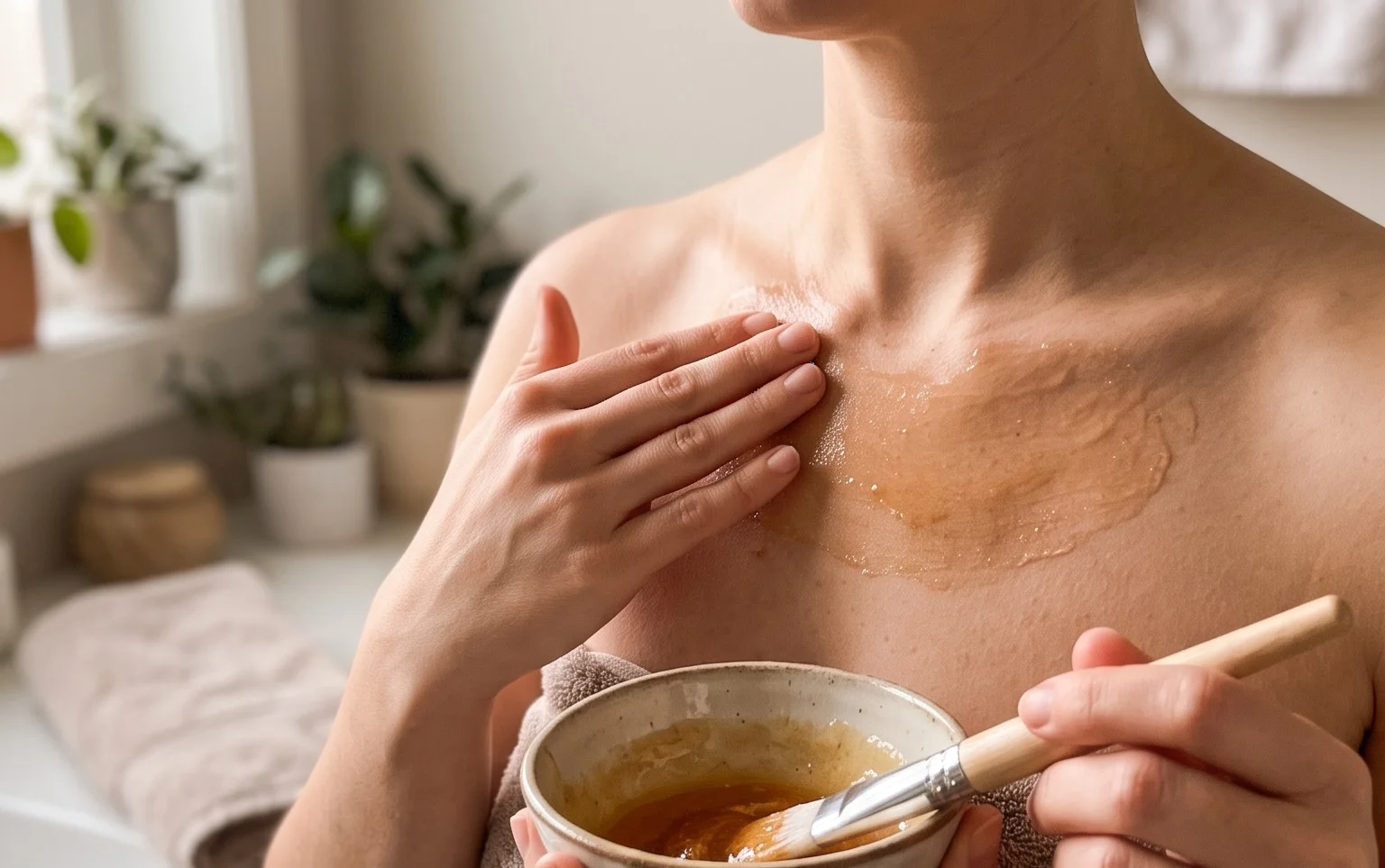
Unlock Radiant Skin: Your Guide to a Homemade Honey Face Mask & Cleanser
In the quest for healthy, glowing skin, many of us turn to the beauty aisles, seeking out complex formulations and exotic ingredients. However, nature often provides us with some of the most effective and gentle skincare solutions right in our own kitchens. This article delves into the simple yet potent world of homemade honey face masks and cleansers, exploring their benefits, how to use them, and what to expect.
What Exactly is a Homemade Honey Face Mask & Cleanser?
At its core, a homemade honey face mask and cleanser is a skincare treatment that utilizes honey, a natural ingredient known for its remarkable properties, either on its own or combined with other common household items. These preparations aim to cleanse the skin, soothe irritation, and provide a boost of hydration and nourishment. Unlike many commercial products that can contain a cocktail of chemicals, these homemade options offer a natural, often more gentle approach to skincare. Honey’s unique composition, rich in enzymes, antioxidants, and natural humectants, makes it a versatile ingredient for addressing various skin concerns. When used as a cleanser, it effectively removes impurities without stripping the skin of its natural oils. As a mask, it can deliver targeted benefits, leaving the skin feeling soft, supple, and revitalized.
Common Signs or Factors That Might Benefit from Honey-Based Skincare
You might find yourself drawn to homemade honey skincare if you experience any of the following common skin concerns:
- Dryness and Dehydration: Your skin feels tight, flaky, or lacks its usual suppleness.
- Mild Irritation or Redness: Your skin appears flushed or feels slightly uncomfortable.
- Dull Complexion: Your skin looks tired and lacks its natural radiance.
- Occasional Breakouts: You experience minor blemishes or have an oily T-zone.
- Sensitivity to Commercial Products: Your skin reacts negatively to certain ingredients found in conventional skincare.
It’s important to remember that these are general indicators, and individual skin responses can vary. Honey’s natural properties can be beneficial for a range of skin types, from dry to oily, as it works to balance and support the skin’s natural functions.
General Guidance for Natural Skincare Approaches
Health authorities and dermatological organizations often advocate for a balanced approach to skincare that prioritizes gentle care and effective ingredients. General guidance emphasizes the importance of understanding your skin type and its needs. For natural ingredients like honey, the consensus often highlights their potential benefits when used appropriately and with realistic expectations. Experts generally advise that natural ingredients can complement a healthy lifestyle and a consistent skincare routine. They often recommend patch testing any new product, homemade or commercial, to check for sensitivities. The emphasis is typically on simplicity, hydration, and protection from environmental stressors.
Practical Everyday Habits for Healthier Skin
While a honey mask or cleanser can offer a wonderful treat for your skin, incorporating simple, everyday habits can significantly enhance your overall skin health. These practices form the foundation of a radiant complexion:
- Hydration from Within: Drink plenty of water throughout the day. Proper internal hydration is crucial for plump, healthy-looking skin.
- Balanced Nutrition: Consume a diet rich in fruits, vegetables, and whole grains. Antioxidants and essential nutrients from food play a vital role in skin regeneration and protection.
- Gentle Cleansing: Wash your face twice daily with a mild cleanser. Avoid harsh scrubbing or using very hot water, which can strip the skin of its natural oils.
- Moisturize Regularly: Apply a suitable moisturizer after cleansing to lock in hydration and protect your skin’s barrier.
- Sun Protection: Make daily sunscreen application a non-negotiable habit, even on cloudy days. Protecting your skin from UV damage is paramount for long-term skin health and preventing premature aging.
- Adequate Sleep: Aim for 7-9 hours of quality sleep per night. Your skin undergoes repair and regeneration processes while you sleep.
- Stress Management: Find healthy ways to manage stress, as chronic stress can negatively impact your skin.
These consistent habits, combined with the occasional boost from a natural ingredient like honey, can lead to noticeable improvements in your skin’s appearance and feel.
What the Evidence Does and Does Not Support
Honey’s benefits for skin are supported by its well-documented natural properties. Research has indicated that honey possesses antimicrobial, anti-inflammatory, and antioxidant qualities. Its humectant nature means it can attract and retain moisture, contributing to skin hydration. These properties suggest that honey can be helpful in soothing minor skin irritations, promoting wound healing (in a clinical context, often specific types of medical-grade honey are used), and contributing to a smoother, more radiant complexion by combating free radical damage.
However, it’s crucial to understand what the evidence does *not* support. Homemade honey preparations are not a cure for serious skin conditions like severe acne, eczema, psoriasis, or infections. While honey may offer some relief for very mild symptoms, it cannot replace medical treatment prescribed by a healthcare professional. Furthermore, claims of dramatic, overnight transformations or significant anti-aging effects solely from homemade honey treatments should be viewed with skepticism. The effects are typically subtle and cumulative, contributing to overall skin health rather than providing a miraculous fix.
Common Myths Worth Correcting
Several misconceptions surround the use of natural ingredients for skincare. Let’s address a few common myths about homemade honey treatments:
- Myth 1: All honey is created equal for skincare. While raw, unprocessed honey is generally considered more potent due to its natural enzymes and beneficial compounds, not all honey varieties will yield the same results. Processed honey, often heated or filtered extensively, may have fewer of these beneficial properties.
- Myth 2: Honey can completely clear severe acne. While honey’s antimicrobial properties might offer some benefit for mild breakouts, it is not a substitute for targeted acne treatments. Severe acne often requires professional medical intervention.
- Myth 3: You can use any honey from the grocery store. It’s best to opt for raw, unpasteurized honey for skincare. Look for terms like “raw,” “unfiltered,” or “manuka” (though manuka honey is often expensive and primarily researched for its medicinal properties).
- Myth 4: Honey is suitable for all skin types without exception. While generally gentle, some individuals might still experience sensitivities or breakouts from honey, especially if they have very oily or acne-prone skin. Patch testing is always recommended.
When to Speak to a Qualified Professional
While homemade honey skincare can be a delightful and beneficial addition to your routine, it’s essential to recognize when professional help is needed. You should consult a qualified healthcare professional, such as a dermatologist, if you experience any of the following:
- Persistent or worsening skin conditions, such as severe acne, eczema, or psoriasis.
- Signs of skin infection, including increased redness, swelling, pain, or pus.
- A sudden or unexplained change in your skin.
- Severe allergic reactions to any topical application, including honey (symptoms can include hives, itching, or difficulty breathing).
- Concerns about premature aging, hyperpigmentation, or other persistent cosmetic issues that you wish to address with more targeted treatments.
A qualified professional can accurately diagnose skin conditions, recommend evidence-based treatments, and provide personalized advice tailored to your unique skin type and concerns. They can also help you understand the safest and most effective ways to manage your skin health.
Conclusion
Embracing a natural approach to skincare, like our homemade honey face mask and cleanser, can be a gentle yet effective way to nourish your skin. The key takeaways are the simplicity of the ingredients and the ease with which you can incorporate these practices into your routine. Remember, the goal is to make small, sustainable changes that benefit your skin over time, rather than seeking overnight transformations. This information is for general guidance only and should not replace advice from a qualified healthcare professional. We encourage you to continue exploring gentle and effective skincare solutions.