How To Pickle Banana Peppers is a simple yet rewarding process that can add a vibrant, tangy zest to your everyday meals. Pickling is an age-old preservation technique, and by learning to pickle banana peppers, you unlock a delicious way to enjoy their mild sweetness and crisp texture year-round. This skill is especially relevant for home cooks looking to enhance their sandwiches, salads, pizzas, and charcuterie boards with a flavorful homemade touch. It’s also a wonderful way for anyone interested in reducing food waste and exploring culinary creativity to feel more connected to their food.
This article will guide you through the straightforward steps of pickling banana peppers, covering essential ingredients, equipment, and techniques. We’ll also touch upon storage best practices to ensure your pickled peppers remain fresh and delicious. Whether you’re a seasoned preserver or a beginner venturing into your kitchen, you’ll find the information here to be clear, accessible, and encouraging.
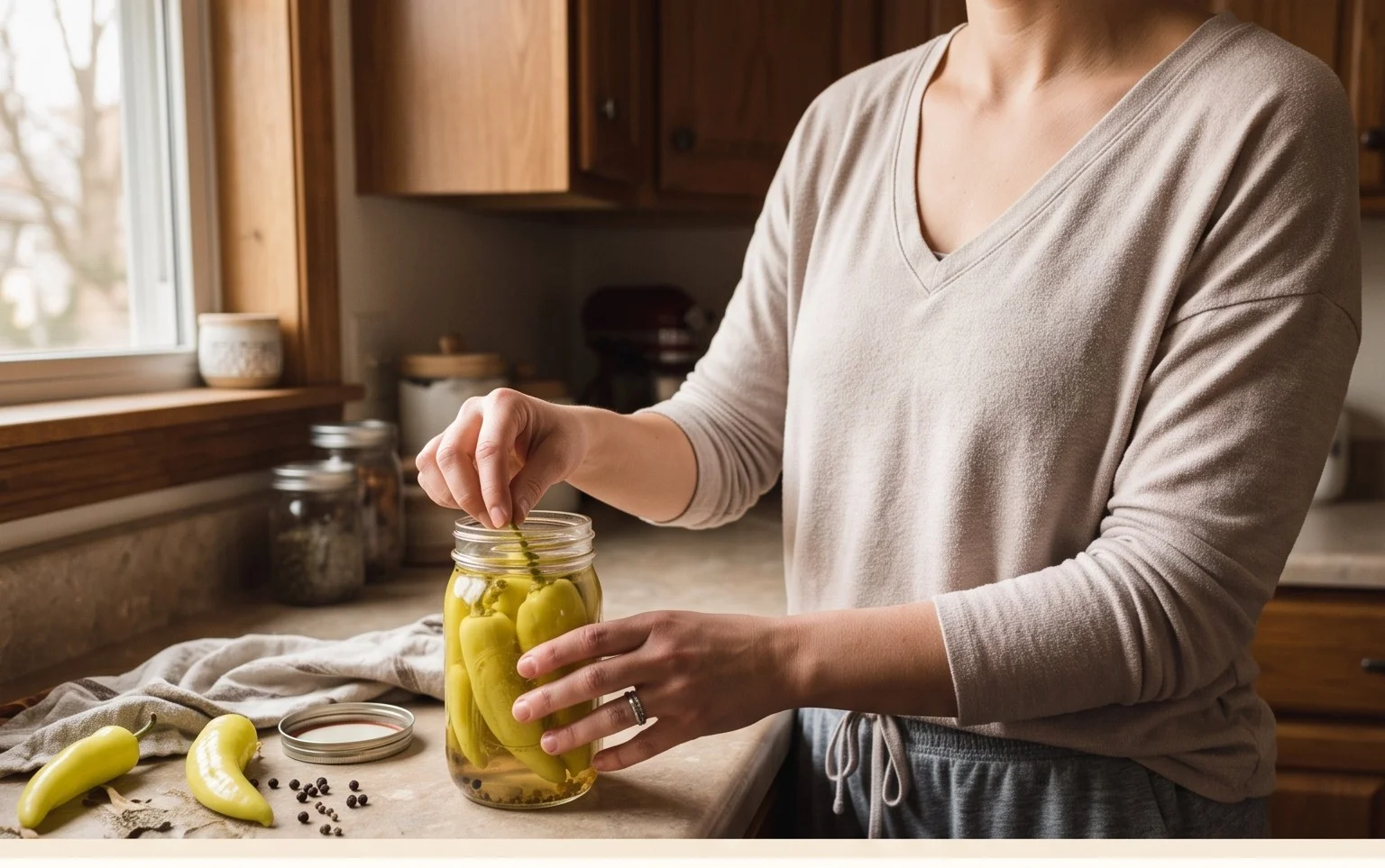
Preserving a Tangy Treat: A Guide to Pickling Banana Peppers
Banana peppers, with their mild heat and vibrant yellow hue, are a versatile vegetable that can brighten up salads, sandwiches, and countless other dishes. Beyond their fresh appeal, pickling banana peppers transforms them into a delightful preserved treat, offering a tangy, slightly sweet, and crunchy experience. This process not only extends their shelf life but also creates a unique flavor profile that’s a staple in many cuisines.
What is Pickling Banana Peppers?
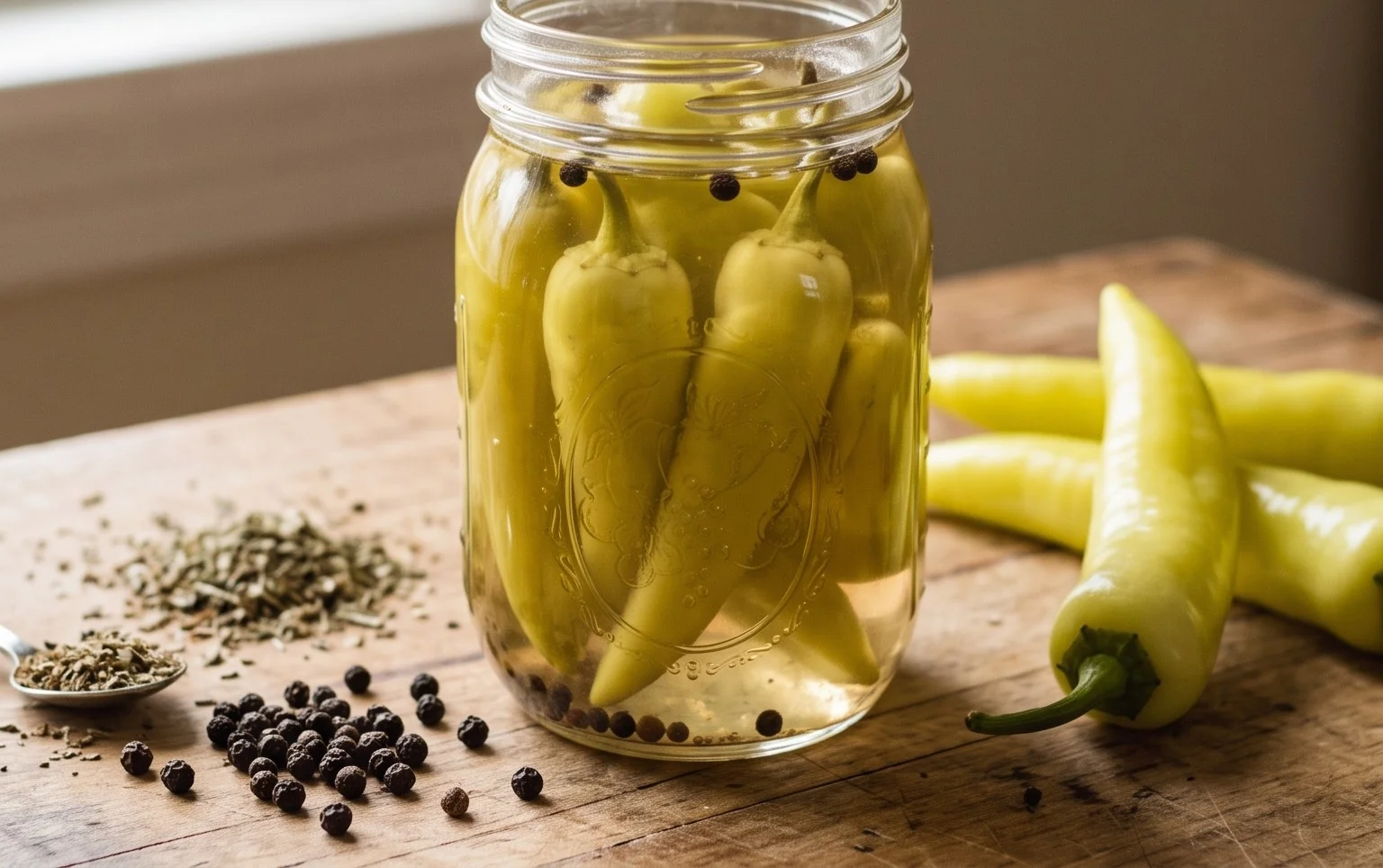
In simple terms, pickling banana peppers is a food preservation technique that involves submerging the peppers in a brine solution. This brine is typically made of vinegar, water, salt, and sometimes sugar and spices. The acidic environment created by the vinegar inhibits the growth of spoilage-causing microorganisms, allowing the peppers to be stored for extended periods. The salt draws out moisture from the peppers, and the vinegar penetrates their cell walls, giving them their characteristic tangy flavor and crisp texture. This method has been used for centuries as a way to preserve produce when it’s in season and abundant, ensuring its availability year-round.
Common Signs and Factors Influencing the Pickling Process
Several factors play a role in how your banana peppers will turn out when pickled. Understanding these can help you achieve the best results:
- Freshness of Peppers: The quality of your starting material is paramount. Fresher, firmer peppers will yield a crisper pickled product. Limp or bruised peppers may become soft or mushy during the pickling process.
- Ripeness: Banana peppers are typically picked when they are bright yellow and firm. While some people enjoy them at this stage, others prefer them to have a slightly more developed flavor, which can come from peppers that are just beginning to show hints of orange or red. However, very ripe peppers might have softer flesh.
- Size and Thickness: The size and thickness of your banana peppers can affect how quickly they absorb the brine and the overall texture. Smaller, thinner peppers will pickle faster and may be crisper, while larger, thicker ones might require longer pickling times and can sometimes be less uniformly crisp.
- Brine Composition: The ratio of vinegar to water, the type and amount of salt, and the inclusion of sugar or spices directly impact the flavor, acidity, and preservation effectiveness of your pickled peppers.
- Processing and Storage: Whether you choose a quick pickle (refrigerator pickles) or a more robust canning process for shelf stability, the method of processing and subsequent storage conditions are critical.
General Guidance on Pickling
Health and food safety authorities generally provide guidance on pickling to ensure the safe preservation of food. The core principles revolve around achieving and maintaining an acidic environment and proper sanitation.
Key recommendations from general food safety guidance include:
- Acidity Levels: A sufficiently acidic brine is crucial for preventing the growth of harmful bacteria, including the one that causes botulism. This is typically achieved by using a vinegar with at least 5% acidity and following tested recipes that ensure the correct vinegar-to-water ratio.
- Proper Sterilization: Jars and lids used for canning must be thoroughly washed and sterilized to eliminate any existing microorganisms. This can be done by boiling them in water for a specific duration.
- Sanitary Practices: Cleanliness is vital throughout the entire process. Hands, utensils, and work surfaces should be kept clean to prevent contamination.
- Following Reliable Recipes: It is strongly advised to use tested and reliable pickling recipes from reputable sources, such as university extension offices or established culinary organizations. These recipes are designed to achieve the correct acidity and preservation levels.
- Proper Sealing and Storage: For shelf-stable pickles, proper sealing of the jars is essential. This usually involves a boiling water bath canning process. Once processed, jars should be stored in a cool, dark place.
Practical Everyday Habits for Enjoying Pickled Banana Peppers
Incorporating the deliciousness of pickled banana peppers into your daily life is easy. Here are some practical ways to enjoy them:
- Sandwich and Burger Topper: The most classic use! Slice them and add them to your favorite sandwiches, subs, burgers, or wraps for a burst of tangy flavor and a satisfying crunch.
- Salad Enhancer: Chop them up and toss them into green salads, potato salads, or pasta salads. They add a bright, zesty counterpoint to richer ingredients.
- Pizza and Flatbread Garnish: Sprinkle chopped pickled banana peppers over your homemade or takeout pizza and flatbreads for an extra layer of flavor.
- Appetizer Addition: Arrange them on a charcuterie board alongside cheeses, cured meats, and crackers. They also make a great accompaniment to fried appetizers like mozzarella sticks or calamari.
- Flavoring Dips and Sauces: Finely mince them and stir them into sour cream, cream cheese, or mayonnaise-based dips. They can also be added to homemade salsa or tartar sauce.
- Side Dish Delight: Serve a small bowl of pickled banana peppers as a zesty side dish to hearty meals like grilled meats or roasted chicken.
What the Evidence Does and Does Not Support
The science behind pickling primarily focuses on food preservation and the biochemical changes that occur. Evidence strongly supports that the acidic brine is effective at preventing spoilage and inhibiting the growth of most harmful bacteria when properly prepared. This makes pickling a safe and reliable method for preserving vegetables like banana peppers, extending their edibility for months or even years when canned correctly.
What the evidence does *not* typically focus on, or extensively support in a health context, is the idea that pickling itself creates significant new health benefits beyond the nutritional value of the original pepper. While the fermentation involved in some pickling methods (though less common with vinegar pickling of banana peppers, which is more of an acid preservation) can introduce probiotics, traditional vinegar pickling does not generally lead to a significant increase in beneficial bacteria in the final product. The primary benefit remains preservation and flavor enhancement. Claims that pickling cures specific diseases or dramatically boosts immunity are generally not supported by robust scientific evidence specific to the pickling process itself.
Common Myths Worth Correcting
Several misconceptions surround pickling that are worth clarifying:
- Myth: Any jar will work for pickling.
Correction: For shelf-stable pickles, using proper canning jars with two-piece lids is essential for creating a vacuum seal. Refrigerator pickles can be stored in any clean, airtight container. - Myth: You can use any salt.
Correction: While some recipes are forgiving, using pickling salt or a non-iodized salt is generally recommended. Iodine in table salt can sometimes darken pickles and cause cloudiness in the brine, and anti-caking agents can also affect clarity. - Myth: Pickling “cooks” the peppers, making them safe to eat raw.
Correction: Vinegar pickling is a preservation method, not a cooking method that kills all potential pathogens. While the acidity inhibits growth, proper sanitation and adhering to tested recipes are paramount for safety, especially if planning for long-term storage. - Myth: Cloudiness in the brine means the pickles are spoiled.
Correction: Brine cloudiness can occur for various reasons, including the release of starches from the vegetables or the natural activity of yeasts or bacteria in less acidic brines. While some cloudiness might indicate spoilage (especially if accompanied by off-odors or sliminess), it’s not always a definitive sign. Following a reliable recipe and proper canning procedures is the best way to ensure safety.
When to Speak to a Qualified Professional
While pickling banana peppers is a generally safe and rewarding culinary practice, there are instances where seeking professional advice is important. If you have any underlying health conditions, particularly those related to dietary restrictions (like sodium intake due to high blood pressure), it’s always wise to consult with a healthcare provider or a registered dietitian. They can offer personalized guidance on incorporating pickled foods into your diet safely and appropriately.
Furthermore, if you are new to canning and have concerns about food safety, reaching out to local agricultural extension offices or reputable food preservation experts can provide valuable resources and answer specific questions. They can offer hands-on advice and clarify any doubts you might have about the pickling process to ensure your preserved foods are both delicious and safe.
Conclusion
Pickling your own banana peppers is a rewarding and accessible way to introduce delicious, healthy elements into your diet. Remember, the key takeaways are the simplicity of the process and the control you have over ingredients, allowing you to tailor them to your preferences. Instead of aiming for sweeping dietary overhauls, consider incorporating small, sustainable changes like this into your routine. This method of preserving offers a burst of flavor and nutrients without overwhelming your lifestyle. Please keep in mind that this article provides general information only and should not be considered a substitute for professional medical advice.
Explore More
We encourage you to continue exploring other healthy and delightful food preservation techniques and recipes that can support your wellness journey.