How to Increase Dopamine with Supplements is a topic that resonates with many as we navigate the demands of modern life. Dopamine, often called the “feel-good” neurotransmitter, plays a vital role in motivation, focus, pleasure, and reward. When dopamine levels are balanced, we feel more engaged, driven, and capable. This article is especially relevant for individuals seeking natural ways to support their mood and energy throughout the day, those experiencing occasional dips in motivation, or anyone interested in enhancing their overall sense of well-being.
Here at Superfood Sanctuary, we understand the importance of a balanced internal state. We’ll explore various supplements known to support dopamine production and function, explaining their potential benefits in a clear and supportive manner. Our aim is to provide factual information to empower your wellness journey, helping you understand how certain dietary choices might contribute to feeling your best.

How to Increase Dopamine with Supplements
Dopamine is often hailed as the “feel-good” neurotransmitter, playing a crucial role in our motivation, reward pathways, and overall sense of well-being. While often associated with pleasure and excitement, its function is far more nuanced, impacting everything from our ability to focus to our motor control. Understanding how to support healthy dopamine levels can be a key aspect of a holistic approach to health and wellness. This article will explore the world of dopamine, common factors that can influence its levels, and how supplements might fit into the picture, all while emphasizing safe and informed practices.
What is Dopamine?
In simple terms, dopamine is a chemical messenger in your brain called a neurotransmitter. Think of it as a tiny signal that helps different parts of your brain communicate with each other. It’s produced in several areas of the brain, and its effects are widespread.
Dopamine is most famously linked to the brain’s reward system. When you experience something pleasurable – like enjoying a delicious meal, achieving a goal, or even receiving social validation – your brain releases dopamine. This release creates a positive feeling, reinforcing the behavior that led to the reward and motivating you to seek it out again. This is why dopamine is so intrinsically linked to motivation and drive.
However, dopamine’s role extends beyond just pleasure. It’s also vital for:
- Motor control: Dopamine is essential for smooth, coordinated movements. Conditions affecting dopamine production, like Parkinson’s disease, demonstrate the critical nature of this function.
- Attention and focus: Dopamine helps us concentrate and pay attention to tasks.
- Learning and memory: It plays a role in how we learn new things and form memories, particularly those associated with rewards.
- Mood regulation: While not the sole determinant of mood, dopamine contributes to feelings of enthusiasm and optimism.
Essentially, dopamine is a key player in many of the functions that make us feel engaged, motivated, and capable of navigating our daily lives.
Common Signs or Factors Affecting Dopamine Levels
Several factors can influence the natural production and function of dopamine in the body. Recognizing these can be the first step toward making informed lifestyle choices.
Lifestyle factors are significant contributors. Chronic stress, for instance, can disrupt neurotransmitter balance, including dopamine. A diet lacking in essential nutrients can also impact the building blocks needed for dopamine synthesis. Similarly, insufficient sleep can negatively affect brain chemistry, including dopamine receptor sensitivity.
Environmental factors also play a role. Exposure to toxins can interfere with neurotransmitter function. Furthermore, the repeated pursuit of immediate gratification through certain behaviors (like excessive consumption of processed foods, social media scrolling, or substance use) can lead to a desensitization of dopamine receptors over time. This means you might need more of the stimulus to achieve the same level of reward, creating a cycle of seeking more intense experiences.
Age is another natural factor. Dopamine receptor density can decline with age, which may contribute to changes in motivation and motor function observed in older adults.
Genetic predispositions can also influence an individual’s baseline dopamine levels and how their body processes it.
General Guidance for Supporting Dopamine Levels
Health authorities generally emphasize a foundational approach to supporting neurotransmitter health through lifestyle. The overarching guidance focuses on creating an environment that allows your body to produce and utilize dopamine effectively.
A cornerstone of this guidance is prioritizing a balanced and nutritious diet. This means consuming foods rich in essential vitamins and minerals that act as cofactors in dopamine synthesis. Examples include B vitamins, iron, magnesium, and zinc. Consuming adequate protein is also important, as amino acids are the building blocks for neurotransmitters.
Regular physical activity is consistently recommended. Exercise has been shown to increase dopamine receptor sensitivity and promote the release of endorphins, which can have a synergistic effect on mood and motivation.
Adequate and quality sleep is paramount. During sleep, the brain performs essential restorative functions, including neurotransmitter regulation. Aiming for 7-9 hours of quality sleep per night is a common recommendation.
Stress management techniques are also vital. Chronic stress can deplete neurotransmitter levels. Practices like mindfulness, meditation, deep breathing exercises, and spending time in nature are often suggested to help mitigate the effects of stress.
Practical Everyday Habits to Act On
Incorporating habits that support dopamine naturally can have a profound impact on your well-being. These are accessible, sustainable practices that can be woven into your daily routine.
-
Nourish Your Brain with Food:
Focus on whole, unprocessed foods. Include lean proteins (like fish, chicken, beans, and lentils) in your meals. Incorporate plenty of fruits and vegetables rich in antioxidants. Consider incorporating foods known for their nutritional density, sometimes referred to as “superfoods,” which can provide a broad spectrum of vitamins and minerals.
-
Move Your Body Regularly:
Aim for at least 30 minutes of moderate-intensity exercise most days of the week. This doesn’t have to be strenuous; brisk walking, cycling, swimming, or dancing all count. Find activities you enjoy to make it sustainable.
-
Prioritize Sleep Hygiene:
Establish a consistent sleep schedule, even on weekends. Create a relaxing bedtime routine. Ensure your bedroom is dark, quiet, and cool. Limit screen time before bed, as the blue light can interfere with melatonin production.
-
Practice Mindfulness and Stress Reduction:
Dedicate a few minutes each day to mindfulness meditation, deep breathing exercises, or simply sitting quietly. Engaging in hobbies you love, spending time with loved ones, and setting realistic goals can also contribute to stress reduction.
-
Seek Out Novelty and Accomplishment:
Engage in new activities, learn a new skill, or explore a new place. Even small accomplishments, like completing a task on your to-do list, can trigger dopamine release. Celebrate your successes, no matter how small.
What the Evidence Does and Does Not Support Regarding Supplements
The use of supplements to increase dopamine is an area that requires careful consideration, as the scientific evidence is not always straightforward.
What the evidence generally supports is that certain nutrients are essential building blocks and cofactors for dopamine production. For example, tyrosine, an amino acid, is a precursor to dopamine. L-theanine, found in green tea, is associated with relaxation and focus, which can indirectly support cognitive functions influenced by dopamine. Probiotics have also shown promise in supporting the gut-brain axis, which can influence neurotransmitter production.
However, it is crucial to understand what the evidence does *not* strongly support: the idea that a single supplement can dramatically “boost” dopamine levels in a way that overrides fundamental lifestyle factors. While some supplements may offer supportive roles, they are not a substitute for a healthy diet, regular exercise, and sufficient sleep.
Claims of “instant” or “massive” dopamine boosts from supplements are largely unsubstantiated by robust scientific research. The body’s neurotransmitter systems are complex and finely tuned. Artificially manipulating them without proper understanding or guidance can be ineffective and potentially lead to imbalances. Furthermore, the quality and bioavailability of supplements can vary significantly, impacting their effectiveness.
Common Myths Worth Correcting
There are several common misconceptions surrounding dopamine and how to influence it.
-
Myth: Dopamine is purely about pleasure and addiction.
Correction: While dopamine is involved in reward and can be implicated in addiction, its role is much broader, encompassing motivation, motor control, attention, and learning. It’s a vital neurotransmitter for everyday functioning, not just hedonistic pursuits.
-
Myth: You can “hack” your dopamine for instant happiness.
Correction: True, sustainable well-being comes from consistent, healthy habits that support the body’s natural systems. Quick fixes or “hacks” are often temporary and can even be detrimental in the long run by disrupting natural balance.
-
Myth: All supplements promising to increase dopamine are effective and safe.
Correction: The supplement market is vast and unregulated in many aspects. The effectiveness and safety of specific supplements can vary greatly, and many lack strong scientific backing for direct dopamine boosting.
Signs You Should Speak to a Qualified Professional
While it’s beneficial to understand dopamine and explore ways to support its healthy function, there are clear signs that indicate a need for professional medical advice.
If you are experiencing persistent and significant changes in your mood, such as prolonged sadness, lack of motivation, or anhedonia (inability to feel pleasure), it is important to consult a healthcare provider. These could be symptoms of underlying conditions that require diagnosis and treatment.
Difficulties with concentration, attention, or memory that interfere with your daily life warrant a professional evaluation. Similarly, changes in motor control, such as tremors, stiffness, or slowness of movement, should be discussed with a doctor.
If you find yourself struggling with compulsive behaviors, substance use, or a pervasive feeling of needing constant external stimulation to feel good, seeking professional help is crucial. These can be indicators of more complex issues that require tailored support.
Consult a Qualified Healthcare Professional for Personal Advice
It is essential to reiterate that this information is for general educational purposes only and should not be considered medical advice. Each individual’s body and health needs are unique.
Before making any significant changes to your diet, starting new supplements, or altering your exercise routine, it is strongly recommended that you consult with a qualified healthcare professional. This could include your primary care physician, a registered dietitian, or a mental health professional. They can assess your individual health status, discuss your concerns, and provide personalized guidance that is safe and appropriate for you. They can also help identify any potential underlying medical conditions and advise on the appropriate course of action, including whether any supplements might be beneficial and safe in your specific situation.
Conclusion
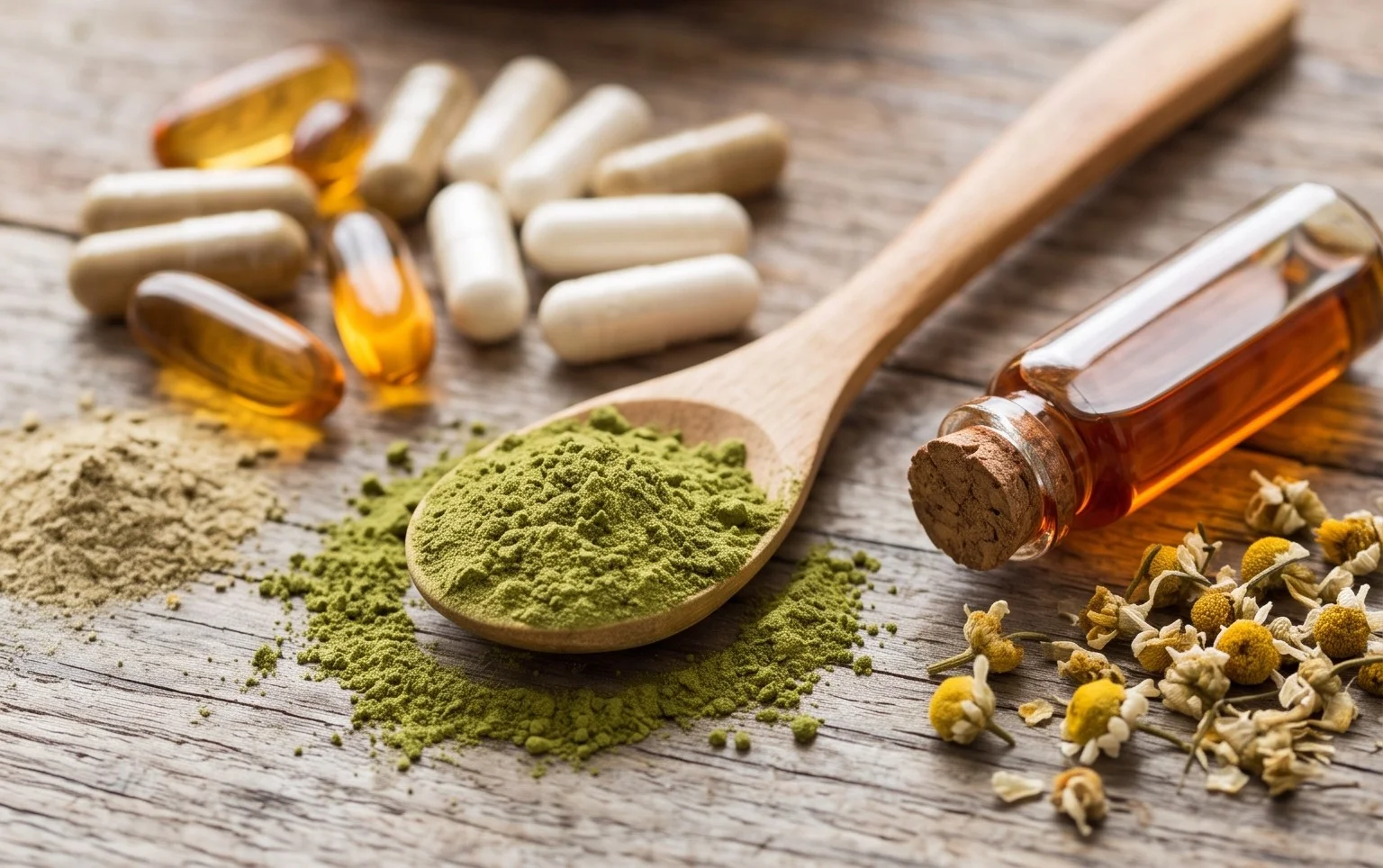
Incorporating supplements to naturally increase dopamine can be a valuable part of a holistic approach to well-being. Remember, the key lies in making gradual, sustainable changes. Instead of aiming for immediate overhauls, focus on small, consistent steps that fit into your daily life. Experimenting with the supplements discussed, alongside a balanced diet and healthy lifestyle, can support your mood and motivation. It’s crucial to remember that this information is for general knowledge only and does not constitute medical advice. Always consult with a healthcare professional before starting any new supplement regimen. If you found this exploration of dopamine-boosting strategies helpful, we invite you to explore other articles on our Superfood Sanctuary to further enhance your health and wellness journey.